
Arts & Design
Arts & Design
Germany is one of Europe's most attractive destinations for Turkish students looking to study art and design. With its deep-rooted art tradition, world-renowned design schools, and innovative approaches, German universities offer unique opportunities for those aiming for a creative career. Whether you're interested in fine arts, industrial design, architecture, musicology, or digital media arts, art education in Germany offers a wide range of program variety. Out of a total of 1735 programs, 487 offer English-taught programs, making it easier for international students to adapt. On this page, you'll discover the advantages of studying art and design in Germany, the application processes, and career opportunities. If you want to develop your creativity on an international platform and take a step towards a global career, Germany could be the right place for you.
Quick Look: Art & Design in Germany
- Academic Field
- Art & Design (Kunst, Kunstwissenschaft)
- Total Number of Programs
- 1735
- Number of English Programs
- 487
- Number of Bachelor Programs
- 693
- Number of Master Programs
- 735
- Featured Universities
- Technische Universität München, RWTH Aachen University, Freie Universität Berlin, Universität Hamburg, Humboldt-Universität zu Berlin
- Sample Programs
- Musicology, Church Music, 3D Animation, Visual Communication, Industrial Design
Why Should You Study Art and Design in Germany?
Germany has been home to art and culture for centuries, inspiring groundbreaking movements like Bauhaus. Today, it continues this tradition, offering world-class education in art and design. Universities in Germany place great importance on practical application and personal development, alongside theoretical knowledge. Students get opportunities to develop projects in modern workshops, labs, and studios, organize exhibitions, and network with industry professionals. The fact that many public universities have low or no tuition fees makes Germany economically attractive for Turkish students. Moreover, a degree you earn in Germany is internationally recognized and opens doors to global careers. If you want to study in an environment where you can freely express your creativity, support innovative thinking, and embrace cultural diversity, Germany could be the right place for you.
Wide Range of Art and Design Programs and Specializations
Art and design faculties in Germany offer a broad spectrum of programs, ranging from traditional to digital, and from theoretical to practical. With a total of 1735 programs, it's quite easy to find the one that best suits you. For instance, with Musicology (Musikwissenschaft) programs, you can explore the cultural, historical, and global contexts of music; or specialize in niche areas like Church Music or Elemental Music Pedagogy. For those interested in visual arts, modern programs like 3D Animation (3D Animation for Film and Games), Visual Communication, Graphic Design, and Industrial Design are available. Additionally, there are many options in classical fields such as Fine Arts (Freie Kunst), Performing Arts, Fashion Design, Interior Architecture, and Art History. Universities often adopt interdisciplinary approaches, encouraging students to develop their unique artistic expressions. This variety offers students the flexibility to specialize deeply in their areas of interest or combine different disciplines.
Application Process and Aptitude Tests: What You Need to Know
The application process for art and design programs in Germany can differ slightly from other academic fields. One of the most crucial stages is usually the preparation of a portfolio (Mappe) and an aptitude test (Eignungsprüfung). Universities use these portfolios and tests to assess applicants' artistic skills, creativity, and potential. Your portfolio should include your previous works (drawings, paintings, designs, digital works, music compositions, etc.) and must align with the requirements of the program you're applying for. Aptitude tests can typically involve practical exercises, interviews, or written tests. Also, application deadlines can be earlier than for other fields, so checking the universities' official websites for up-to-date information is vitally important. Additionally, you'll need to provide a language proficiency certificate in German (TestDaF, DSH) or English (IELTS, TOEFL), depending on the program's language. Carefully managing this process is a critical step to open the doors to your dream of studying art in Germany.
Monthly Cost of Living (Estimated)
Inspiring Places for Art and Design Students
A paradise for art and history enthusiasts, home to five world-renowned museums.
An international open-air art gallery created on the longest remaining section of the Berlin Wall.
A massive museum complex showcasing modern art, architecture, design, and graphics all in one place.
A concert hall and cultural center famous for its modern architecture and acoustic marvel.
An important museum shedding light on the history of design and architecture in the city where the Bauhaus movement originated.
A modern art museum notable for its collections of Pop Art, abstract art, and photography.
Student Life and Culture
Being an art and design student in Germany isn't just about attending classes; it's also about being part of a vibrant cultural and social life. German universities offer countless opportunities to nurture students' creativity. Through student clubs, you can organize your own exhibitions, participate in workshops, or volunteer at international festivals. Many cities offer discounts that give students affordable access to art events, concerts, and theater performances. Art galleries, museums, and design studios across Germany are sources of inspiration that you can easily visit with a student visa. International student communities provide opportunities to meet peers from different cultures and build a global network. Germany's art scene, with both its historical depth and contemporary innovations, constantly offers students new perspectives and inspiration.
- Vibrant art galleries and museums
- Student workshops and exhibitions
- International student communities
- Art festivals and cultural events
- Affordable cultural access
Frequently Asked Questions
Is a portfolio (Mappe) required to apply for art and design programs in Germany? ▼
Yes, submitting a portfolio (Mappe) is mandatory for most art and design programs. This portfolio should include works that demonstrate your artistic skills and creativity.
How are aptitude tests (Eignungsprüfung) conducted, and what should I pay attention to? ▼
Aptitude tests, while varying from program to program, usually involve practical drawing, design assignments, interviews, or written tests. It's important to prepare well for the exams and understand the university's expectations.
Is it possible to find **English-taught art and design programs** in Germany? ▼
Yes, absolutely. According to the data, 487 out of a total of 1735 art and design programs in Germany are offered in English. There are more English-taught programs, especially at the Master's level.
What are the job opportunities in Germany after studying art and design? ▼
Germany needs designers and artists in many sectors, including fashion, automotive, media, gaming, and architecture. Graduates can pursue careers in design agencies, media companies, art galleries, museums, or their own studios. A post-graduation job-seeking visa is also available.
What's the difference between art universities (Kunsthochschulen) and regular universities (Universitäten) in Germany? ▼
Art universities (Kunsthochschulen) generally focus more on practical, workshop-based learning and artistic expression, while art departments in regular universities (Universitäten) (e.g., Art History, Musicology) are more geared towards theoretical and scientific research. Both have their unique advantages.
Are there scholarship opportunities for art and design programs in Germany? ▼
Yes, institutions like DAAD (German Academic Exchange Service) and various foundations offer scholarships for international students. It would be beneficial to check the websites of universities and relevant organizations to research scholarships specifically for art and design fields.
Take the first step to start your dream art and design education in Germany! Explore programs on the AlmanyaUni platform and get detailed information about the application process.
Programs in Art & Design
Top universities in Arts & Design
All universities → 98 programs
Muthesius Kunsthochschule
 65 programs
Robert-Schumann-Hochschule Düsseldorf (Robert Schumann Hochschule)
 54 programs
Hochschule für Musik und Tanz Köln
 48 programs
Hochschule für Musik Würzburg
 41 programs
Hochschule für Musik und Theater Hamburg
 38 programs
Hochschule für Katholische Kirchenmusik und Musikpädagogik (Hochschule für Katholische Kirchenmusik und Musikpädagogik Regensburg)
 33 programs
Hochschule für Musik Detmold
Hochschule für Musik Saar
 31 programs
Kunsthochschule Berlin-Weißensee (Weißensee Kunsthochschule berlin)
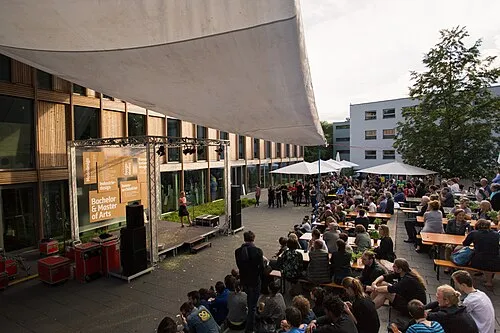 30 programs
Burg Giebichenstein Kunsthochschule Halle
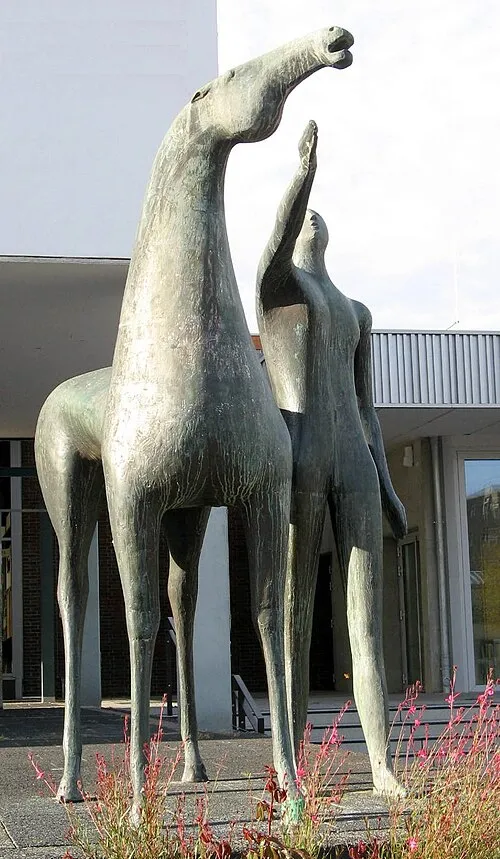 30 programs
Johannes Gutenberg-Universität Mainz
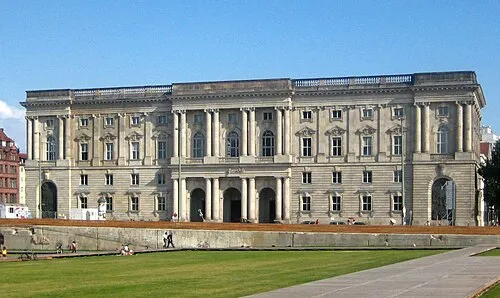 30 programs
Hochschule für Musik „Hanns Eisler“ Berlin
Best cities for Arts & Design
All cities →Cities offering the most programs in this field. Compare the Sperrkonto burden, cost of living and student life with the cost calculator.
Arts & Design by degree
Bachelor Programs (607)
All →Accessory Design
@ Hochschule Pforzheim
Accordion
@ Hochschule für Musik Würzburg
Acting
@ Akademie für Darstellende Kunst Baden-Württemberg
ACTING BA
@ Filmuniversität Babelsberg „Konrad Wolf“
Advertising and Brand Design
@ SRH University
Advertising Design
@ HAWK Hochschule Hildesheim/Holzminden/Göttingen
African Art History
@ Freie Universität Berlin, E-Medien
Animation and Game
@ Hochschule Darmstadt
ANIMATION BA
@ Filmuniversität Babelsberg „Konrad Wolf“
Applied Musicology and Music Education
@ Katholische Universität Eichstätt - Ingolstadt
Applied Theatre Science
@ Justus-Liebig-Universität Gießen
Architecture
@ Technische Hochschule Augsburg
Professions in Arts & Design (500)
All →Account-Manager/Account-Managerin
Affiliate-Manager/Affiliate-Managerin
Afrikanist/Afrikanistin
Afrikanistik (grundständig)
StudientypGrundständiges StudiumStudienmöglichkeitenUniversitätAbschlussBachelor of Arts (B.A.)Regelstudienzeit3-4 Jahre
Afrikanistik (weiterführend)
Ägyptologe/Ägyptologin
Ägyptologie (grundständig)
StudientypGrundständiges StudiumStudienmöglichkeitenUniversitätAbschlussBachelor of Arts (B.A.)Regelstudienzeit3-4 Jahre
Ägyptologie (weiterführend)
Allgemeine und vergleichende Kulturwissenschaft (grundständig)
StudientypGrundständiges StudiumStudienmöglichkeitenUniversität, FachhochschuleAbschlussBachelor of Arts (B.A.)Regelstudienzeit3-4 Jahre
Allgemeine und vergleichende Kulturwissenschaft (weiterführend)
Allgemeine und vergleichende Literaturwissenschaft (grundständig)
StudientypGrundständiges StudiumStudienmöglichkeitenUniversitätAbschlussBachelor of Arts (B.A.)Regelstudienzeit3-4 Jahre
Allgemeine und vergleichende Literaturwissenschaft (weiterführend)
Master Programs (615)
All →– Church Music
@ Hochschule für Musik Freiburg
– Elemental Music Pedagogy
@ Hochschule für Musik Freiburg
3D Animation for Film and Games
@ Technische Hochschule Köln
Accordion
@ Hochschule für Musik Würzburg
Acoustics and Technology of Musical Instrument Making
@ Westsächsische Hochschule Zwickau
Advanced Architecture — From Urban Design to Building Construction
@ Frankfurt University of Applied Sciences
Angewandte Musikwissenschaft
@ Justus-Liebig-Universität Gießen
Angewandte Theaterwissenschaft
@ Justus-Liebig-Universität Gießen
Animation and Game
@ Hochschule Darmstadt
Applied AI for Digital Production Management, MEng
@ Technische Hochschule Deggendorf
Architectural and Cultural Heritage
@ Hochschule Anhalt
Architecture
@ Technische Hochschule Köln


